
Why Dirty Warehouse Floors Quietly Cost Operations Managers Thousands
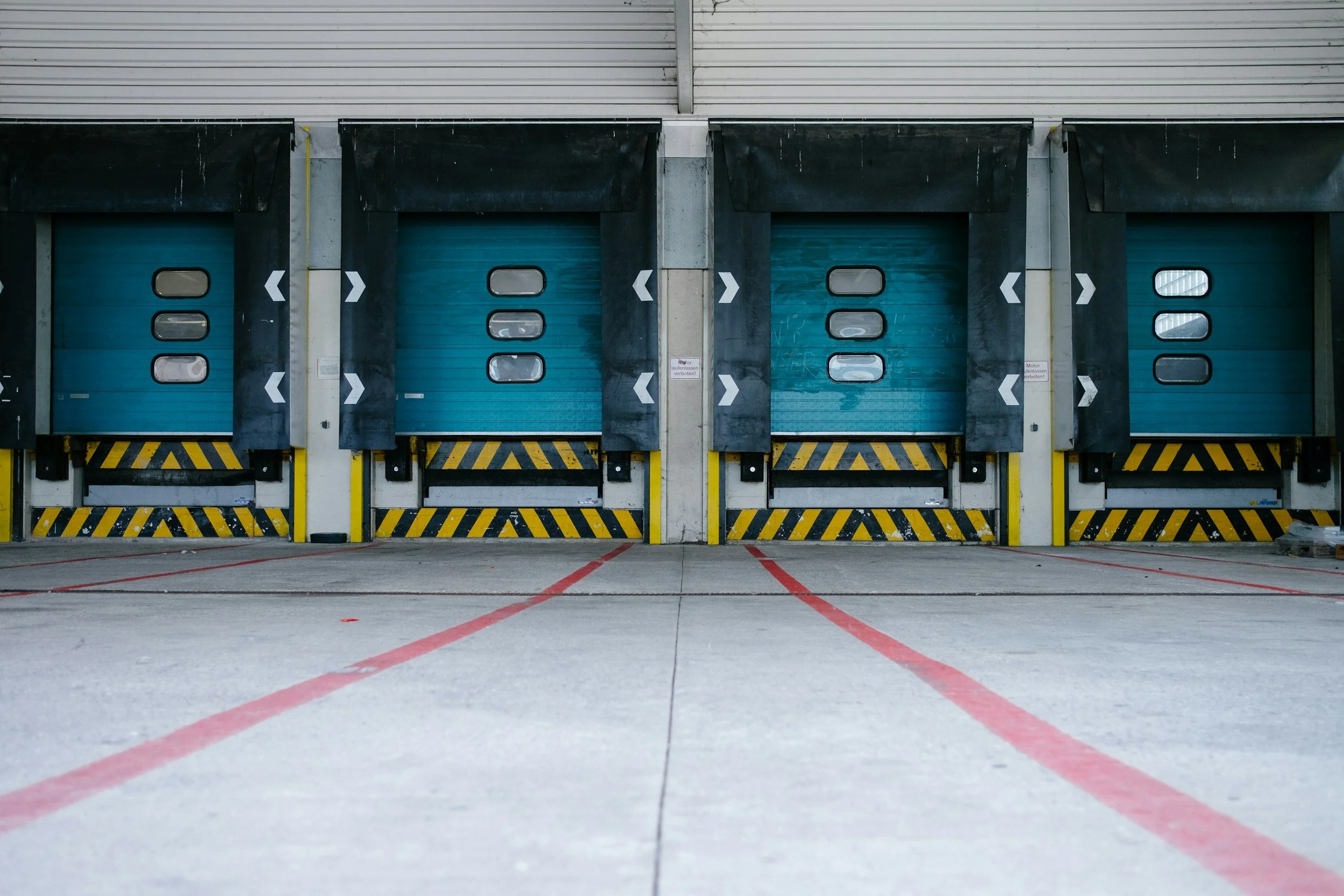
Cleanliness of your facility is your brand, show it the attention it deserves.
Warehouse floors take a lot of abuse. Between forklifts, pallet jacks, dust from packaging, and constant foot traffic, it does not take long for floors to become contaminated with debris, grease, and fine dust. While this may seem like a cosmetic issue, dirty warehouse floors can have a real impact on safety, equipment performance, and operational efficiency.
One of the biggest risks is slips and forklift traction issues. Dust and fine powder accumulate quickly in distribution centres and can reduce traction for forklifts, especially in high traffic zones. This increases the risk of incidents and makes it harder for operators to manoeuvre safely.
Another common issue is dust circulation. When warehouse floors are not cleaned regularly with professional equipment, dust becomes airborne each time a forklift passes through the area. This dust can settle on racking, products, packaging areas, and machinery, creating ongoing cleaning and maintenance issues.
Regular machine scrubbing of warehouse floors removes built up grime and fine particles that normal sweeping cannot capture. It also helps extend the life of epoxy coatings and concrete floors by preventing abrasive debris from grinding into the surface.
For operations managers, implementing a regular floor cleaning program is not just about appearance. It is about maintaining a safe environment, protecting equipment, and ensuring the facility operates efficiently.
